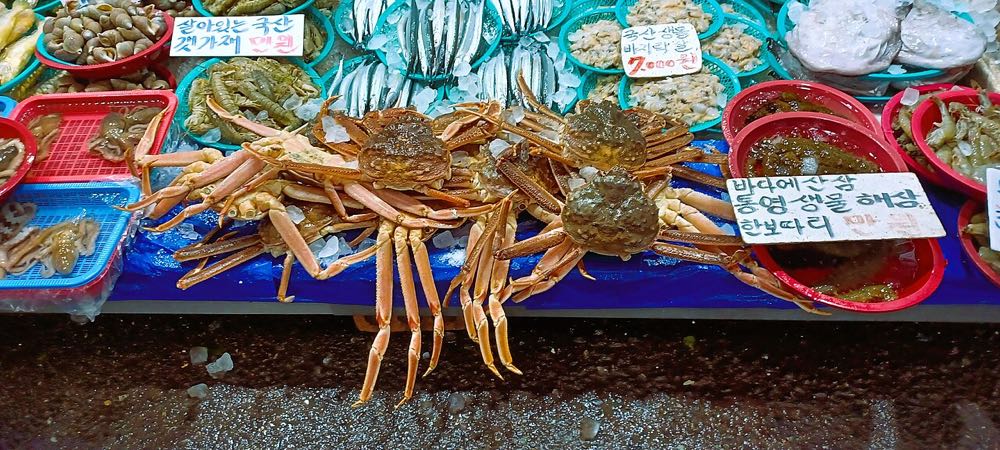
Mangwon Market in Seoul’s Mapo district is the local-favorite alternative to Gwangjang Market, a covered alley packed with stuffed fried peppers, charcoal-grilled beef patties, crispy dakgangjeong and freshly twisted doughnuts. If you have seen the long tourist lines at Gwangjang and wondered where Seoulites actually go for a snack run, this is a very good answer. The market is a short walk from Mangwon Station on Line 6, prices are easy on the wallet, and the Han River is close enough to turn a quick bite into a full afternoon. Here is how to get there, what to eat, and how to plan the day.
Why Mangwon Market Is a Great Local Alternative to Gwangjang
Mangwon Market has more than 40 years of history and is still a working neighborhood market, which is exactly its charm. Residents of all ages shop here for fresh produce, side dishes and snacks, so you are eating alongside locals instead of a tour group. The Korea Tourism Organization describes it as a great alternative to Gwangjang Market, which can feel overwhelming because of big crowds and long lines at the popular stalls. In recent years it has also become a favorite with younger Koreans, thanks to its mix of old-school stalls and trendy new snacks.
The covered market has no neat sections, so the fun is in wandering slowly and grabbing a little something at every few steps. Most stalls are stand-and-eat, with a few small sit-down spots, so think of it as a snack crawl rather than a single big meal.
How to Get to Mangwon Market (Line 6, Exit 2)
The market sits at 27 Poeun-ro 6-gil in Mapo-gu. Take Seoul Subway Line 6 to Mangwon Station, leave through Exit 2 and walk straight for about five to six minutes. If you are staying near Hongik University, ride Line 2 one stop to Hapjeong, change to Line 6 heading toward Bonghwasan, and get off at the next stop, Mangwon. The official listing shows opening hours of roughly 10:00 to 21:00, but individual stalls set their own times, so late morning to early evening is the safest window.
What to Eat at Mangwon Market: Stalls and Snacks Worth Trying
Stuffed fried chili peppers at U-i-lak (Wooyirak). This is arguably the market’s most famous bite: a big green chili pepper stuffed with seasoned meat and fried until crunchy. Guides and travel sites consistently point first-timers here, and the popular mukbang YouTuber Tzuyang has filmed a video at Wooyirak’s Mangwon main branch. Lines can form at busy times.
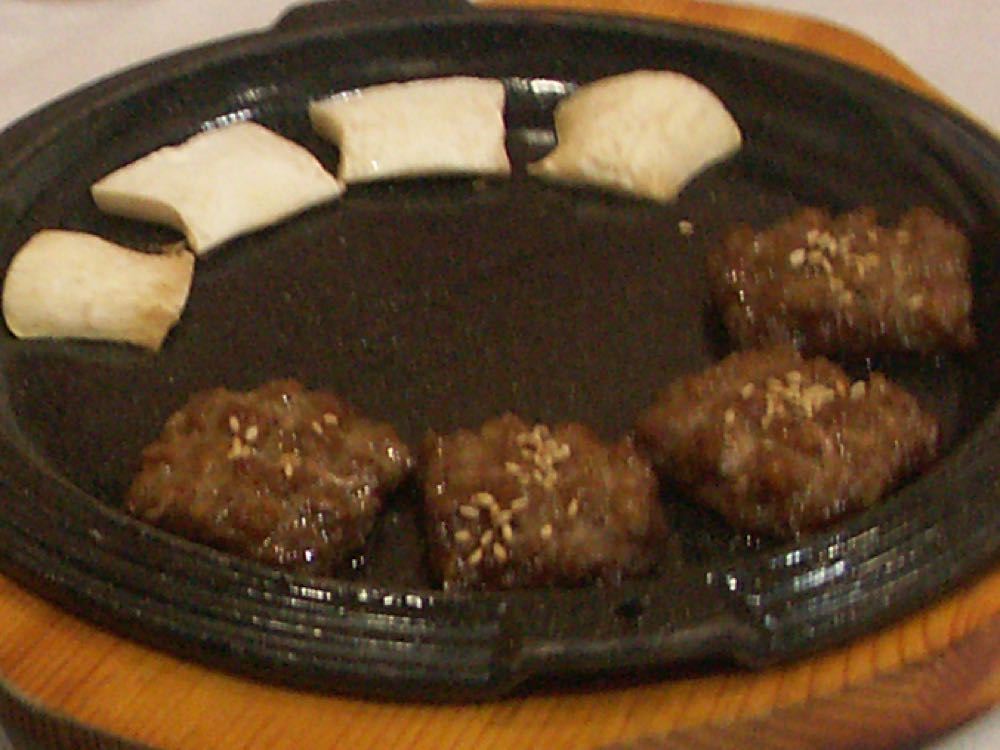
Mangwon Tteokgalbi. Thick, juicy grilled short rib patties, sometimes called Korean hamburger patties, are a market specialty. Recent 2026 guides put two large pieces at around 8,000 won, which makes it an easy protein boost between sweeter snacks. Lines can be long at busy times, so go slightly off-peak.
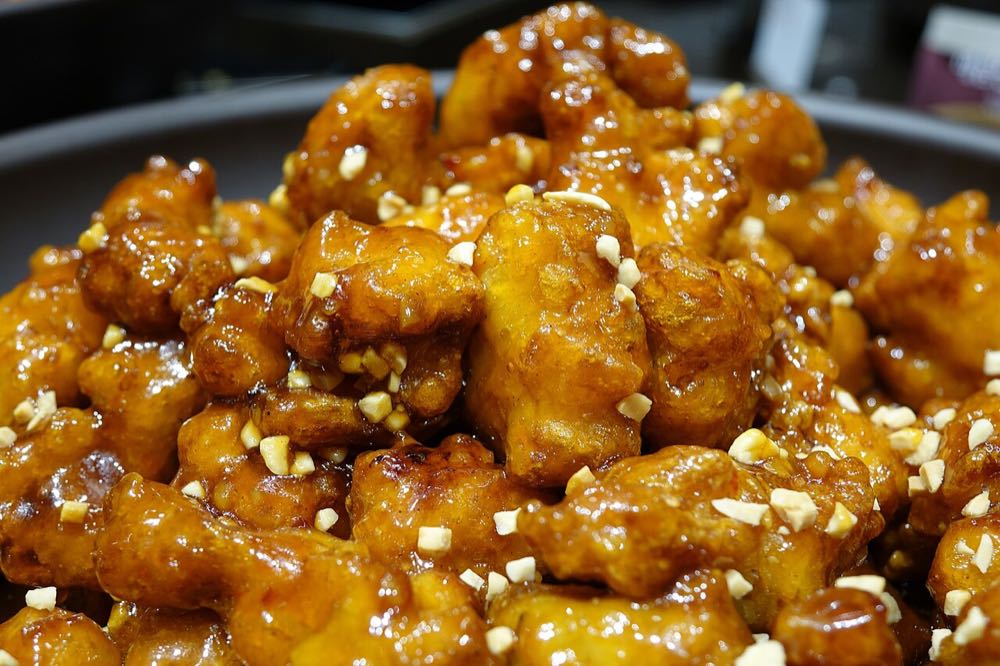
Dakgangjeong (sweet and spicy fried chicken). Two chicken stalls are widely cited as the market’s best, including Kyuseu Chicken (큐스닭강정), and the Korea Tourism Organization notes the chicken comes in classic flavors like soy sauce as well as unusual ones such as pepper mayo and sweet fruit sauces. Buy a small box and share it while you walk, because you will want room for more.
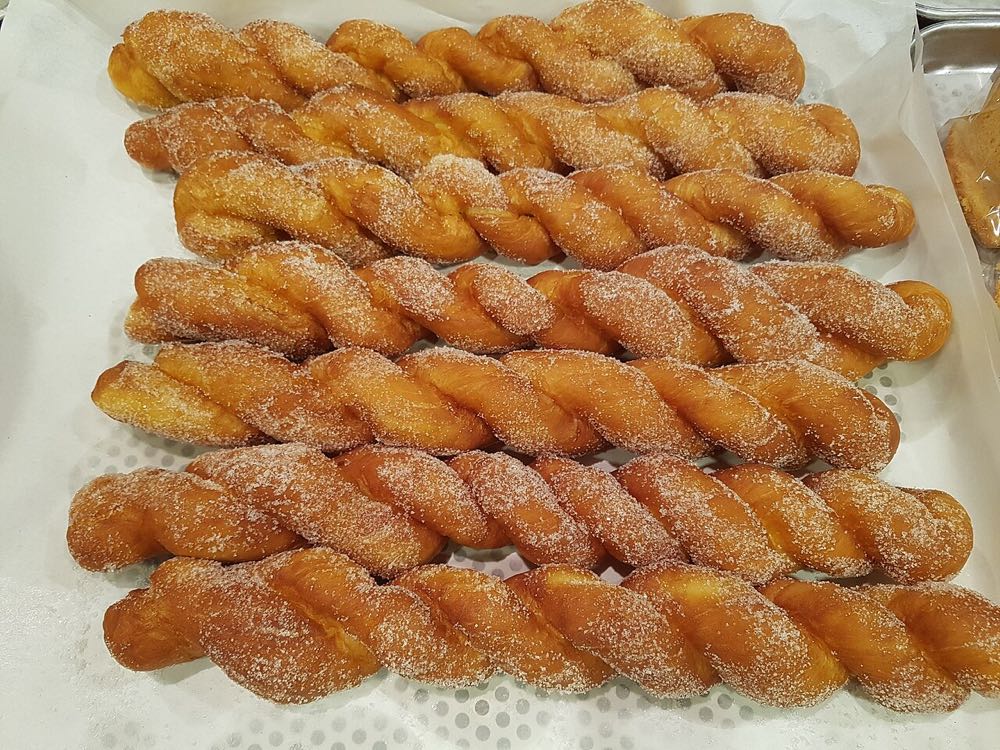
Twisted doughnuts and croquettes. Mangwon Handmade Croquette (망원수제고로케) sells kkwabaegi twisted doughnuts and croquettes for roughly 1,000 to 3,000 won each, which is a bargain for something fried to order. Other sweet stops include fish-shaped bungeoppang filled with red bean or custard and hotteok, the chewy pan-fried pancake stuffed with brown sugar and seeds.
Something warm and filling. For a proper meal, try the herbal chicken soup (dak-gomtang) at Cham-mat, where a bowl with rice and kimchi side dishes was about 7,000 won in a January 2026 review. The market also has kalguksu noodle soup, gimbap and tteokbokki if you prefer the classics.
Make It a Full Day: Mangnidan-gil and Mangwon Hangang Park
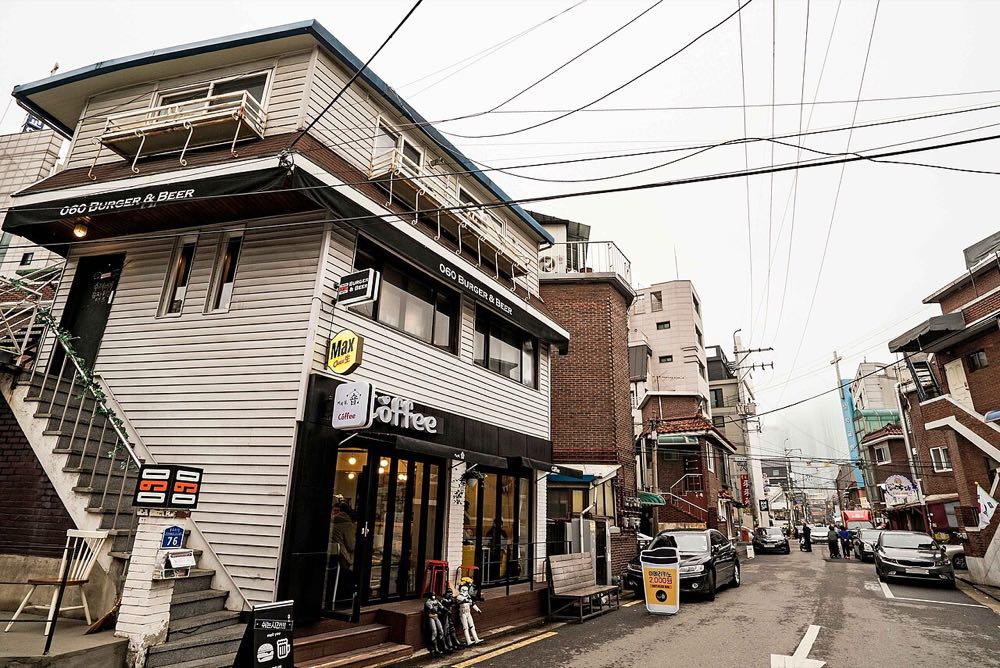
Mangwon-dong is one of Seoul’s best-kept neighborhoods, and the area around the market is full of brunch cafes, bakeries and indie shops. Mangnidan-gil, the trendy street nearby, is good for souvenirs and a coffee after all that fried food.
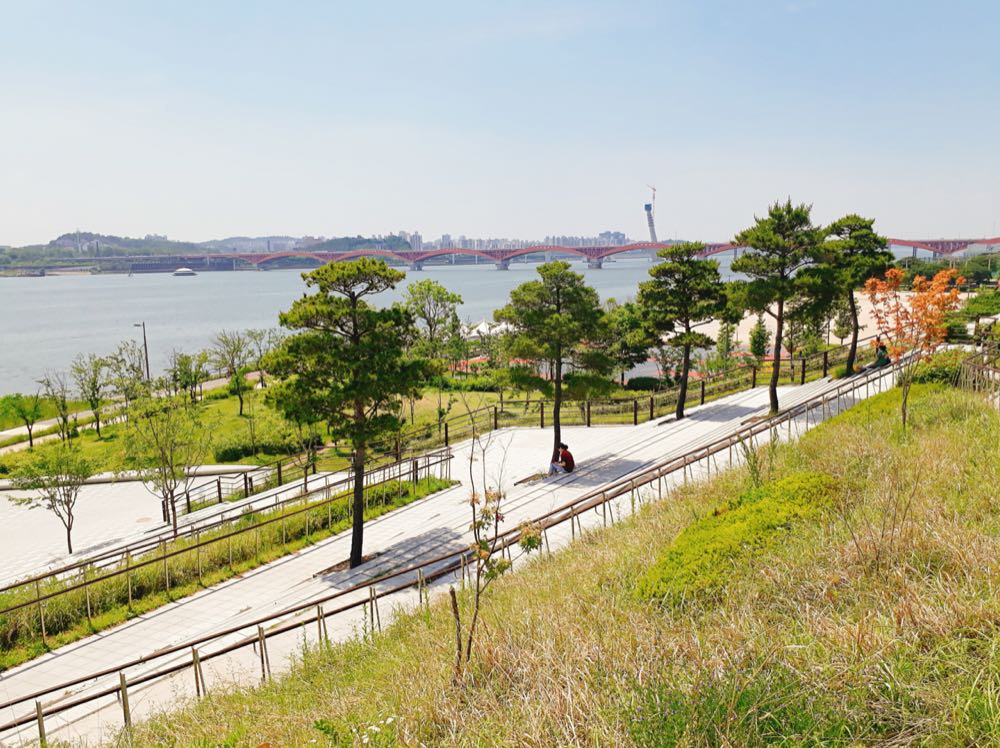
Then take your takeout to Mangwon Hangang Park on the Han River. It is a popular picnic spot, with grass, a bike trail and public Ttareungi bikes at the park entrance, and the walk from Mangwon Station Exit 2 takes about 22 minutes on foot according to the Korea Tourism Organization. Eating a bag of fried snacks beside the river is a very Seoul way to end the day.
Mangwon Market FAQ
How do I get to Mangwon Market?
Take Line 6 to Mangwon Station, use Exit 2 and walk about five to six minutes. From Hongdae, go one stop on Line 2 to Hapjeong, then transfer to Line 6 for one stop.
What are Mangwon Market opening hours?
The Korea Tourism Organization lists 10:00 to 21:00, with hours varying by shop. Some stalls open later or sell out early, so arriving in the afternoon gives the best choice.
Is Mangwon Market better than Gwangjang Market?
It depends on what you want. Gwangjang is more famous and more crowded, while Mangwon is quieter, cheaper and more local, so it suits travelers who want a relaxed snack crawl.
Do stalls at Mangwon Market accept cards?
Most shops take cards, but a few do not, so carry some cash for small purchases.
Mangwon Market shows a different side of Seoul food culture from the famous tourist markets: fewer crowds, lower prices and plenty of snacks you can eat with your hands. Go hungry, pick two or three stalls at a time, and finish with a picnic by the Han River. Check stall hours before you go, since vendors set their own schedules, and expect short lines at the famous pepper and tteokgalbi stalls.
Learn more about SeoulBites and our Korea food guides
Official Mangwon Market page from the Korea Tourism Organization


댓글 남기기