Gangneung on Korea’s east coast is where fans of Goblin (Guardian: The Lonely and Great God) can stand on the exact breakwater where Kim Shin and Ji Eun-tak’s candle-lit reunion scene was filmed, then spend the rest of the day drinking hand-drip coffee on a beach famous for starting Korea’s entire specialty coffee movement. Add in a tofu village so specific it has its own neighborhood name, plus a sprawling traditional market for street food, and Gangneung turns into one of the most satisfying day-trip-or-overnight combinations near Seoul for K-drama fans who also care about eating well. Here’s exactly where to go, what to order, and how to get between all four spots.
Jumunjin Breakwater: The Real Goblin Candle Scene
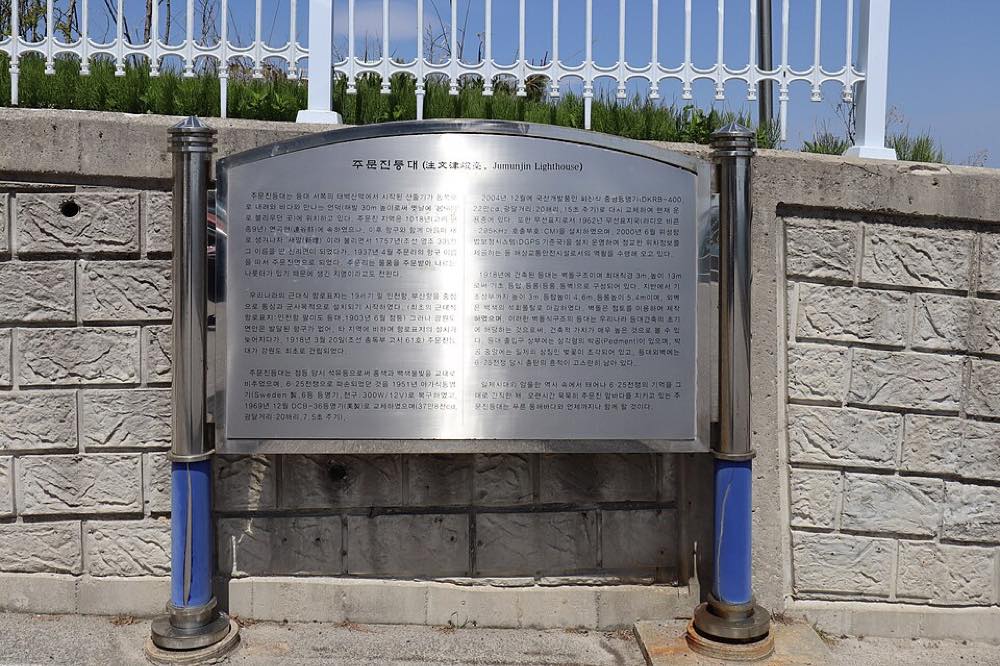
The most-quoted scene in Goblin (known internationally as Guardian: The Lonely and Great God) happens on a narrow stone breakwater in Jumunjin, a fishing village about 25 minutes north of downtown Gangneung. This is where Ji Eun-tak walked out to the far tip of the pier, blew out her birthday candles, and summoned Kim Shin (Gong Yoo) for the first time. When the original cast returned here for the drama’s 10th anniversary reunion special, Yoo In-na said on camera that “it’s amazing how everything still looks exactly the same.” Walk to the end of the breakwater past the red lighthouse for the same ocean view, and go early morning before the day-trip crowds arrive, since sea fog often rolls in and recreates the drama’s exact atmosphere.
Anmok Beach Coffee Street: Where Gangneung’s Coffee Culture Began
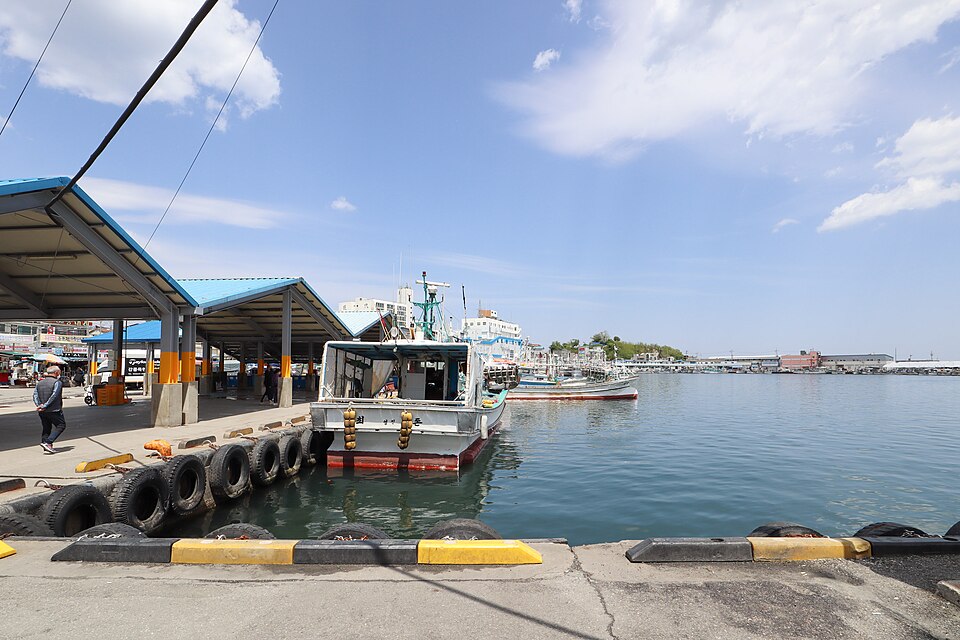
A 15-minute taxi ride from Jumunjin, Anmok Beach is a different kind of pilgrimage: more than 30 independent cafes packed into a 500-meter strip facing the East Sea. The scene started in the 1980s, when taxi drivers waiting for fares relied on roughly 50 coin-operated vending machines lining the beach road, each one brewing a slightly different cup. That competitive instinct carried over when the first real coffee bean shop opened in 1998, and two of Korea’s foundational baristas, Park Yi-chu (founder of Bohemian Coffee) and Kim Yong-duk (founder of Terarosa), built their reputations in the wider Gangneung area around the same time. Today a standard Americano runs about 5,000-6,000 won and specialty hand-drip options cost 7,000-10,000 won, with nearly every seat facing open ocean. Grab a cup to go and walk the shoreline; weekday afternoons are far quieter than weekend evenings.
Chodang Sundubu Village: Korea’s Most Famous Tofu Town
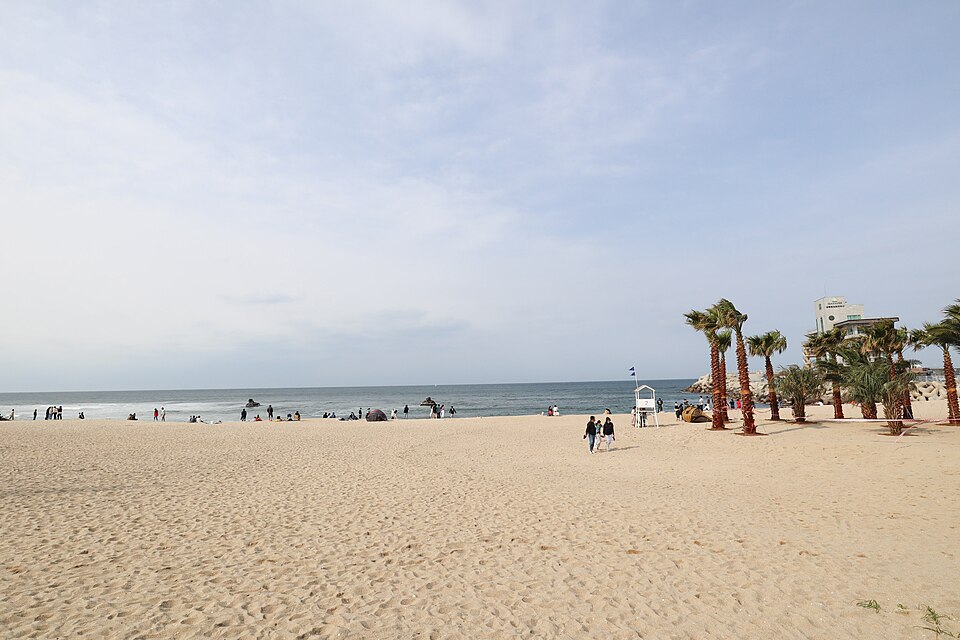
About a 10-minute drive south of Anmok, Chodang Sundubu Village is a cluster of restaurants built entirely around one specialty: sundubu, a silky soft tofu made the traditional way using seawater instead of standard coagulants, which gives it a noticeably smoother, sweeter texture than tofu found anywhere else in Korea. The technique reportedly dates back to a local resident who started making tofu with seawater from the nearby coast during the Joseon era, and the neighborhood has specialized in it ever since. Oldtime Chodang Sundubu Restaurant is one of the village’s oldest and most recommended spots, serving simple sets of plain or spicy sundubu jjigae alongside banchan for roughly 8,000-12,000 won per person. Order the non-spicy version first if it’s your first time, since the tofu’s natural sweetness is easiest to notice without chili heat competing for attention, and finish with a scoop of the area’s unusual sundubu-based soft-serve gelato.
Gangneung Jungang Market: Street Food to Finish the Day
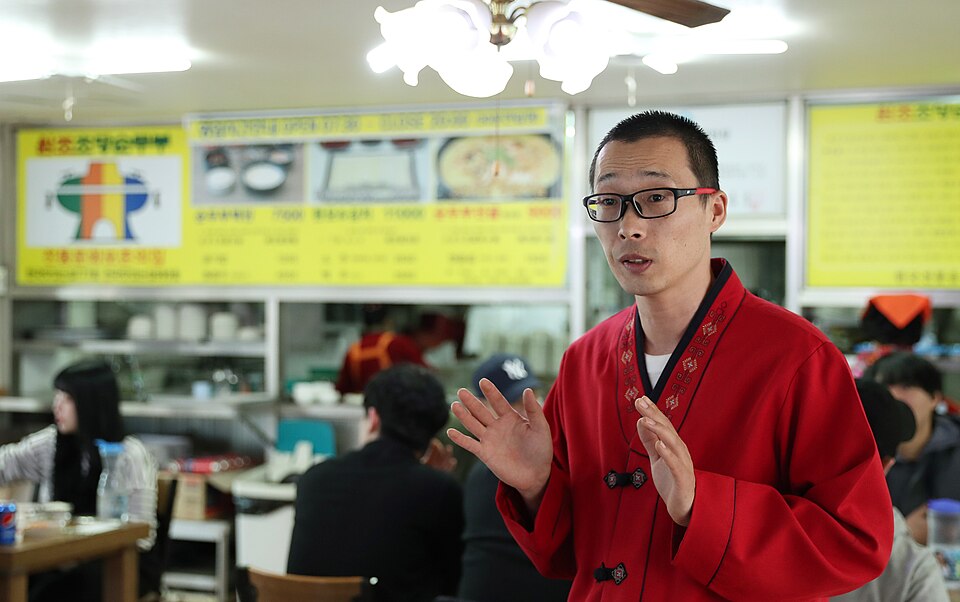
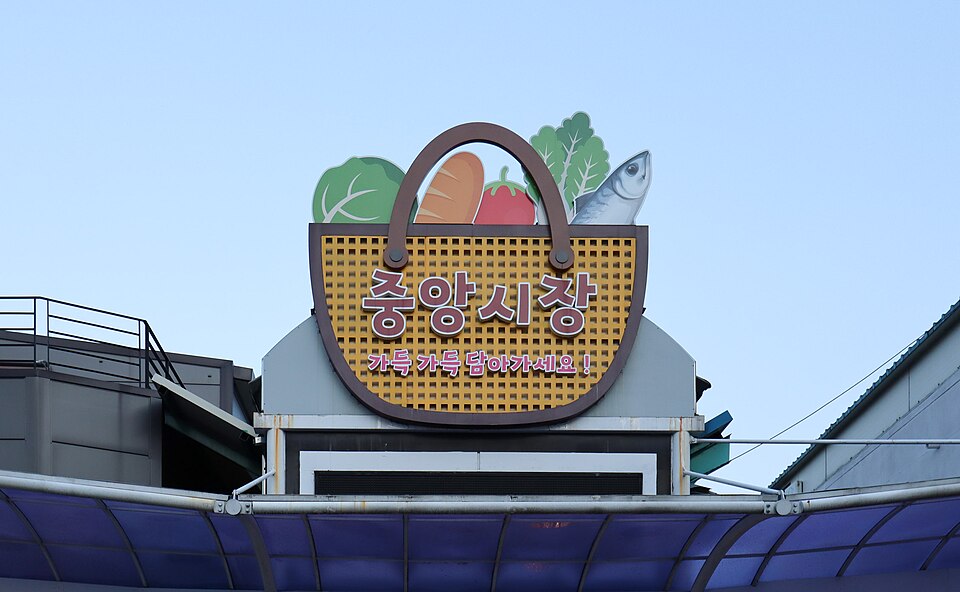
Round out the day back in downtown Gangneung at Jungang Market, a sprawling traditional market that’s been feeding the city since long before coffee streets and tofu villages became tourist draws. Reviewers consistently point to the fried-food stalls as the highlight: tempura-style fried prawns and squid, pajeon (savory seafood pancake), and crispy croquettes, plus sundae (Korean blood sausage) and even ox head soup for something heartier. It’s a working market as much as a food destination, so parts of it sell fresh produce, dried fish, and side dishes alongside the street-snack stalls, and the vibe rewards wandering rather than beelining for one thing. Go hungry, bring cash for the smaller stalls, and treat it as the casual, unpretentious bookend to a day that started on a drama-famous breakwater.
FAQ: Visiting Gangneung for Goblin, Coffee, and Tofu
Is Gangneung worth a day trip from Seoul?
It’s a popular day trip (about 2 hours each way by KTX), but an overnight stay lets you catch sunrise at Anmok or Gyeongpo Beach and avoid rushing between Jumunjin, the coffee street, and Chodang village in one day.
How do I get from Jumunjin to Anmok Beach and Chodang Village?
Taxis are the easiest option for all three stops, each ride running roughly 15,000-20,000 won and taking 15-20 minutes. Local buses also connect them, but taxis save time if you’re trying to fit everything into one day.
Is the Goblin filming spot free to visit?
Yes. The breakwater is a public, 24-hour outdoor space with no admission fee. Go early morning on a weekday to avoid the crowds that gather for photos, especially around the red lighthouse at the tip.
What should I order at Chodang Sundubu Village?
Start with plain (non-spicy) sundubu jjigae to taste the tofu’s natural sweetness, then try the spicy version or the local sundubu-based soft-serve gelato if you have room. Most sets come with rice and banchan for 8,000-12,000 won per person.
Gangneung packs an unusual amount of range into one trip: a decade-old drama pilgrimage, the birthplace of Korea’s coffee obsession, a tofu village with its own distinct food culture, and a traditional market that’s stayed exactly as unpretentious as it’s always been. Whether you come purely for the Goblin connection or stay for everything else, it’s one of the easiest ways to pair K-drama tourism with genuinely good eating outside Seoul.


댓글 남기기