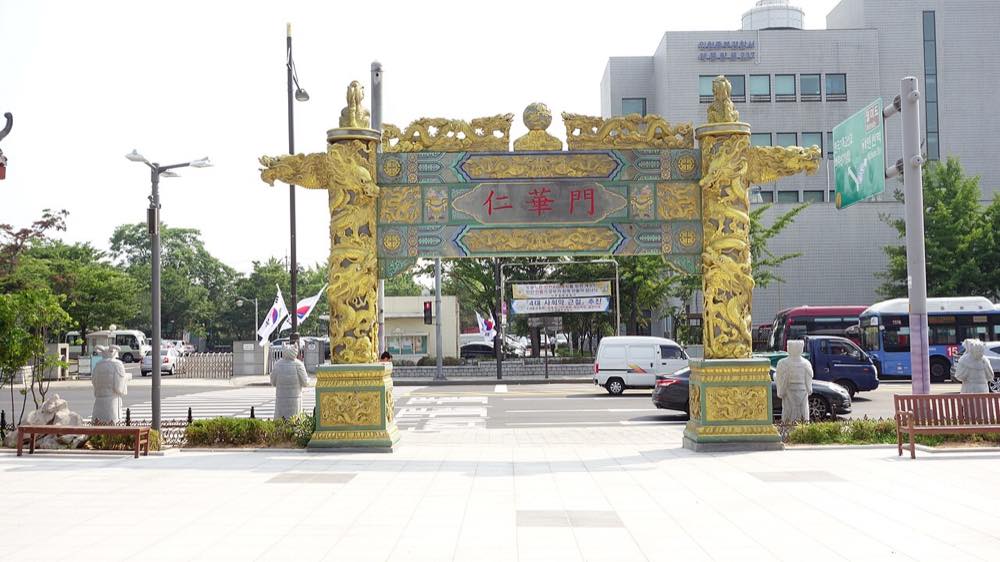
Incheon Chinatown is where Korea’s most beloved comfort food, jjajangmyeon (black bean noodle sauce), was actually invented, and it’s one of the easiest full-day trips you can take from Seoul. Just a straight shot down Subway Line 1 to the very last stop, this small port neighborhood packs in more than a century of food history, red-lantern-lined alleys, and even a real filming location from the K-drama Goblin. Whether you’re a hardcore K-drama pilgrim or just someone who wants to eat where a hundred-year-old dish was born, here’s exactly where to go and what to order.
Gonghwachun (공화춘) — Where It All Started in 1908
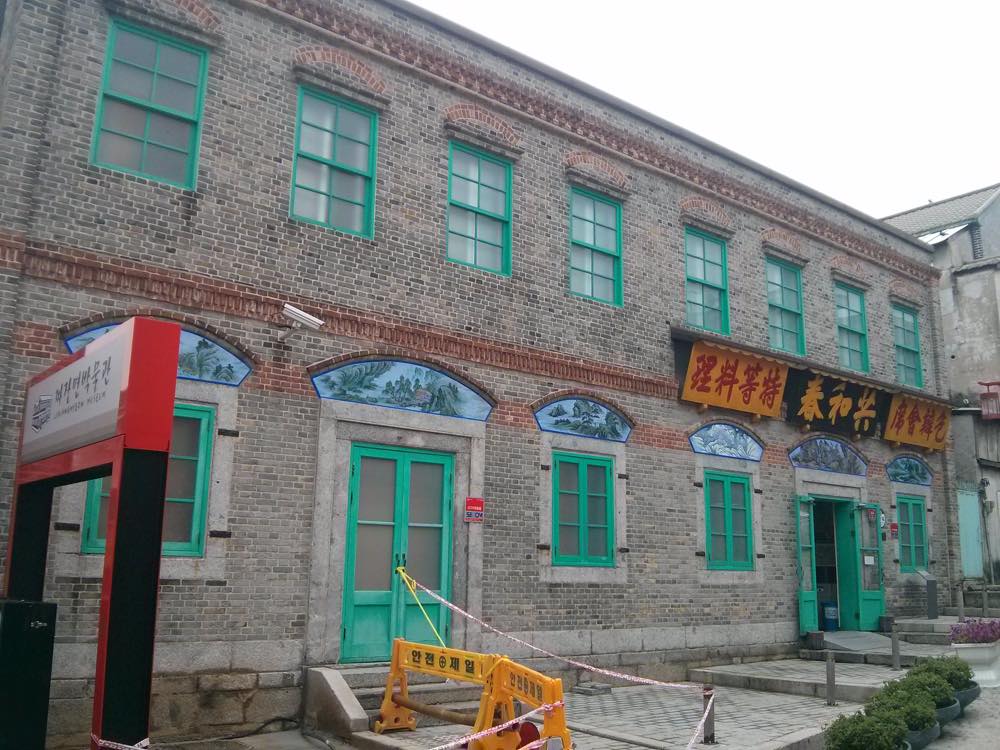
Gonghwachun is the name most associated with the birth of jjajangmyeon in Korea. The original restaurant here first served the black bean noodle dish commercially back in 1908, and while the current restaurant isn’t run by the same family, it carries on the name and tradition right next door to the Jjajangmyeon Museum, which now occupies the historic original building. Order the Gonghwachun jjajang, a punchier, more old-school version made with larger-cut ingredients stir-fried at high heat and topped with sliced hot pepper. Getting there: 43 Chinatown-ro, Jung-gu, Incheon, about a 5-minute walk from Incheon Station (Line 1) Exit 1. Open daily 10am to 9:30pm.
Sinseung Banjeom (신승반점) — Try the Uni Jjajang
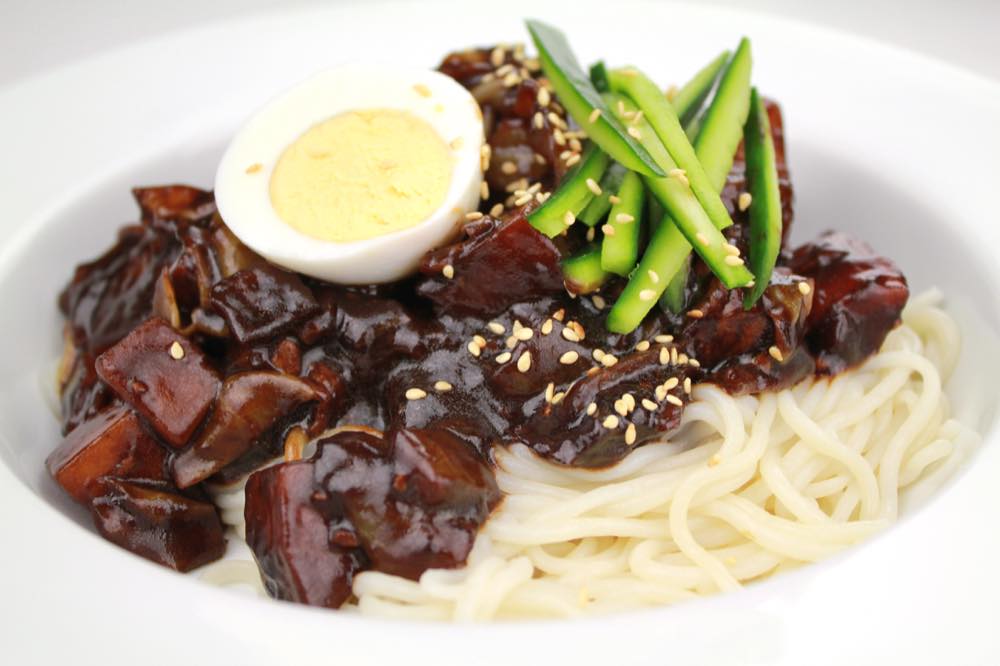
Run by the granddaughter of the founder of the original Gonghwachun, Sinseung Banjeom is arguably Incheon Chinatown’s single most famous restaurant today, especially after being featured on a popular Korean food TV program. Its signature dish is uni jjajang, where the meat and vegetables are chopped small enough that the sauce’s moisture comes from the vegetables themselves rather than added water, resulting in a milder, denser sauce that’s less salty than a standard bowl. It arrives topped with chopped cucumber and a fried egg. Expect a wait at busy times, though the restaurant hands out numbers so you can explore the neighborhood while yours cooks. Address: 31-3 Chinatown-ro 44beon-gil, Jung-gu, Incheon. Open daily 11am to 9pm.
Mandabok (만다복) — The White Jjajang You’ve Never Heard Of
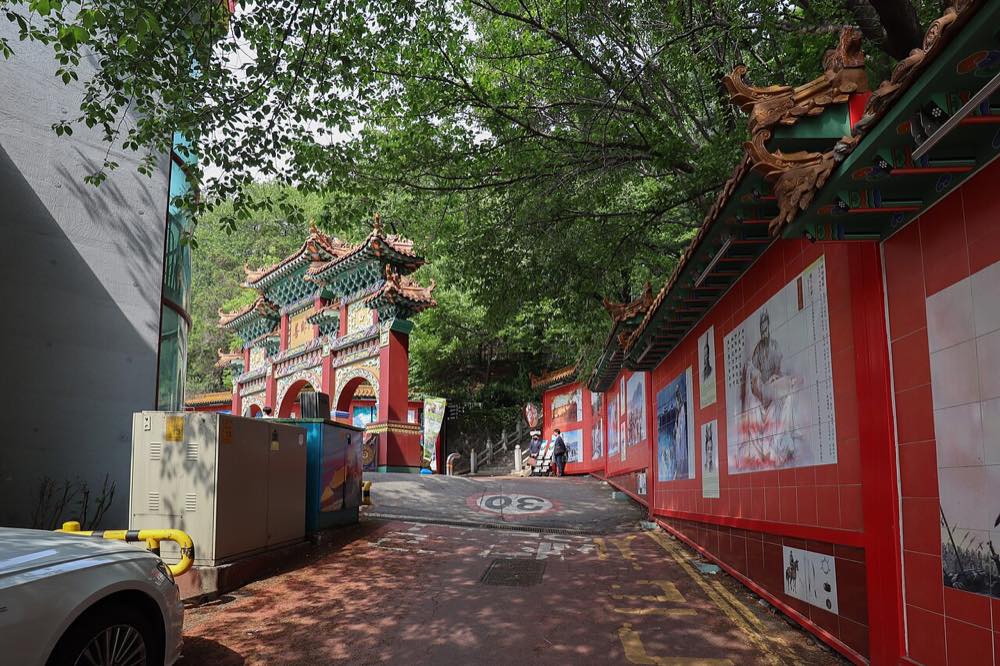
If you’ve had jjajangmyeon before, Mandabok’s hayan baengnyeon jajang (white jajang) will genuinely surprise you. Made with garlic and a sauce imported directly from China rather than the usual roasted black bean paste, it’s a completely different, lighter flavor from the noodle dish most visitors already know. The restaurant’s grand, palace-style dining hall was built to evoke the golden age of Sino-Korean fusion dining in this old port city, so it’s worth a sit-down meal rather than a quick bite. As with any small, family-run restaurant, hours can shift, so it’s worth checking current opening times before making a special trip.
Daechang Banjeom (대창반점) — Skip the Noodles for White Jjamppong
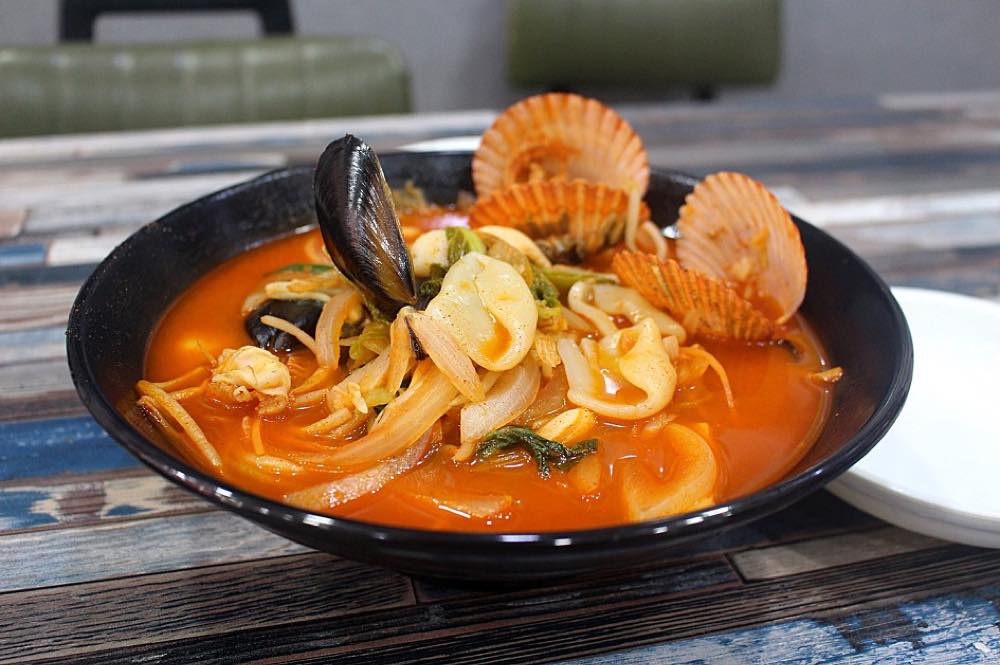
Not every Chinatown specialty is smothered in black bean sauce. Daechang Banjeom’s claim to fame is baekjjamppong (white jjamppong), a milky, spicy seafood noodle soup that swaps the usual bright red broth for a lighter, creamier one, while still packing in plenty of seafood. The recipe has reportedly been passed down through two generations of the same family, from the original chef to his grandson, who now runs the kitchen. It’s a good palate-cleansing order if you’re doing a multi-restaurant crawl and want something different from bowl after bowl of jajang sauce. Open daily noon to 8pm.
The Real Goblin Filming Spot Next Door: Incheon Art Platform
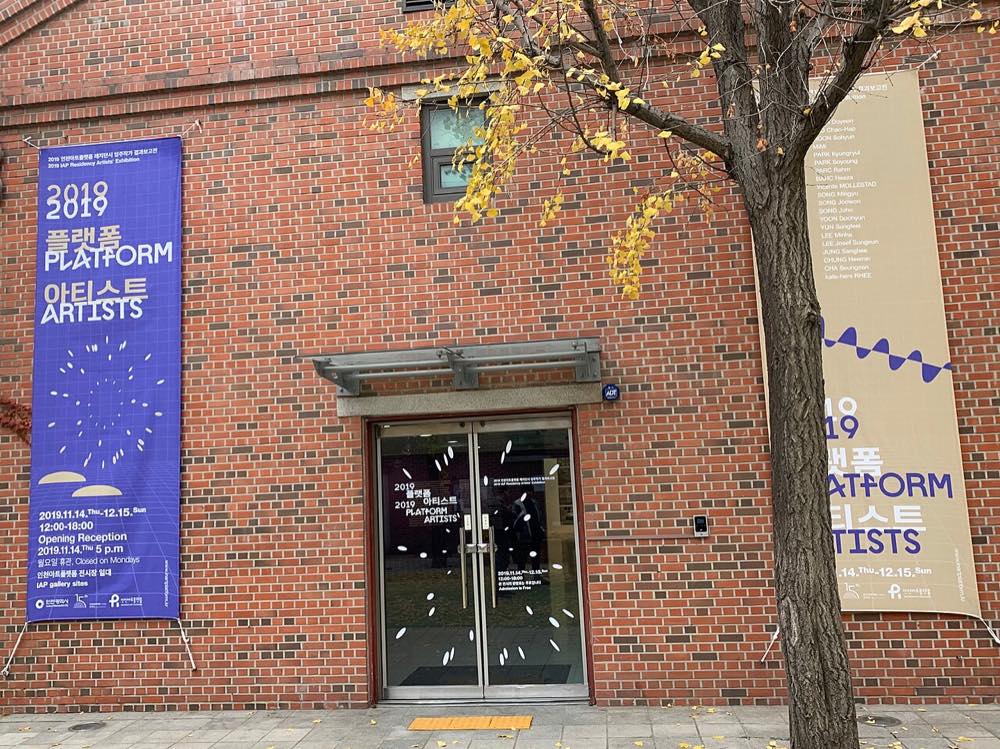
If you’re doing this as a K-drama pilgrimage rather than just a food crawl, don’t stop at the noodles. A five-to-ten-minute walk from Chinatown’s restaurants is Incheon Art Platform, a cluster of restored 1930s-40s brick warehouses now used as artist studios and galleries. It appeared briefly in Episode 14 of Goblin (2016), when Kim Shin and Eun-tak take a walk together after her radio show, and the same warehouses have also shown up in Dream High and the film Beauty Inside. It’s free to wander through the outdoor courtyard and take photos even if you don’t go into any of the studios themselves. Address: Haean-dong 1(il)-ga, Jung-gu, Incheon, an easy walk from Incheon Station or through Chinatown itself.
FAQ
Is Incheon Chinatown worth a day trip from Seoul?
Yes. It’s about an hour from central Seoul on Subway Line 1, and it pairs easily with the neighboring Open Port historic district, Songwol-dong Fairy Tale Village, and Wolmi Island, so you can comfortably fill a half or full day without needing a car.
What’s the difference between jjajangmyeon and jjamppong?
Jjajangmyeon is wheat noodles tossed in a savory black bean sauce, while jjamppong is a spicy, usually bright red seafood noodle soup. Some Chinatown restaurants, like Daechang Banjeom, also serve a white, non-spicy version of jjamppong for a milder alternative.
Is Incheon Chinatown’s food “authentic” Chinese food?
Not exactly. It’s Korean-Chinese cuisine, a distinct hybrid style created by Chinese immigrants who settled in the port starting in the 1880s and adapted their cooking to local ingredients and tastes. Dishes like jjajangmyeon in this exact form don’t really exist in China itself.
Do I need to speak Korean to visit?
No. Most restaurants have picture menus or plastic food displays out front, and the area is a well-established tourist destination, so ordering is easy even without any Korean at all.
A few practical notes for this Chinatown food crawl: come hungry and consider splitting dishes if you want to try more than one restaurant, since portions are generous. Weekday mornings mean much shorter lines at the famous spots, while weekends get crowded fast, so plan accordingly. If you’re doing this specifically as a Goblin pilgrimage, budget enough time to actually order something at one of the restaurants rather than just taking photos outside the Art Platform, since a filming location tends to mean a lot more with food in front of you.
Incheon Chinatown packs over a century of food history into a neighborhood you can comfortably walk in an afternoon, from the restaurant that claims the very first bowl of jjajangmyeon to a white-sauce version most visitors have never tried. Pair it with a short walk to the real Goblin filming spot at Incheon Art Platform, and you’ve got a genuinely satisfying half-day trip that goes well beyond a single photo op.


댓글 남기기