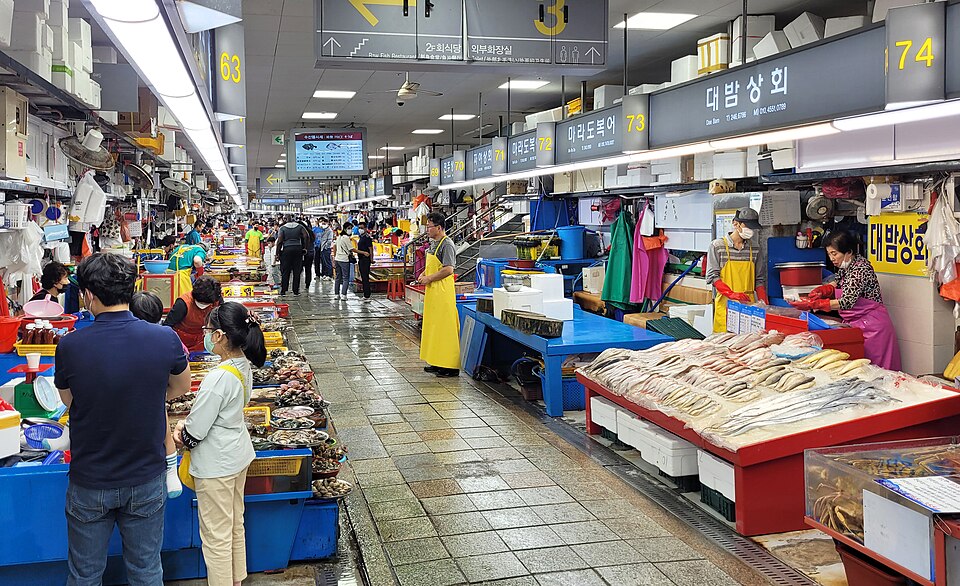
Jagalchi Market in Busan is the easiest place in Korea to try the “buy it downstairs, eat it upstairs” way of eating seafood, and it is also the one that confuses first-time visitors most. You pick live fish or shellfish from a stall on the ground floor, then carry it up to a restaurant that slices, grills or simmers it for a small cooking fee. This guide explains how the system works, what to order, how to get there and what to double-check before you pay, so you can enjoy Korea’s biggest seafood market without the guesswork.
- Where: 52 Jagalchihaean-ro, Jung-gu, Busan (Nampo-dong waterfront)
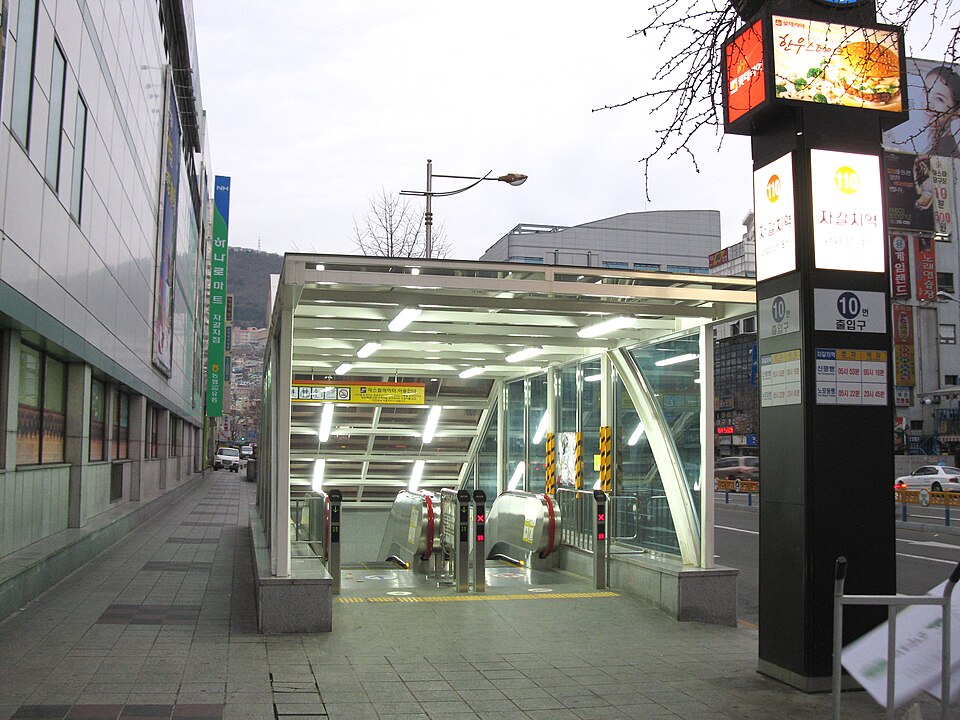
- Nearest station: Jagalchi Station (Busan Metro Line 1); Exit 10 is the exit shown in this guide. Nampo Station is also within walking distance
- Hours: VisitKorea-linked listings show roughly 05:00 to 22:00 with the hoe (raw fish) center from about 09:00, while Google Maps showed a 21:00 close; individual stalls vary
- Best time to go: Morning for the working-market atmosphere; late morning to early afternoon on weekdays when most upstairs restaurants are open
- Info last checked: October 12, 2026 (sources: VisitKorea, Google Maps, Busan travel guides)
How the buy-then-cook system works
The main building has two layers of activity. On the ground floor, rows of vendors sell live fish, crabs, shellfish and octopus from tanks and trays, and prices are usually quoted per kilogram or per piece. Once you buy, the vendor bags your seafood and you take it to a restaurant on the second floor or above. There, the kitchen prepares it as hoe (raw sashimi), grilled fish, steamed seafood or maeuntang (spicy fish stew) and charges a separate cooking and table fee. Local guides describe this as the normal arrangement rather than a scam, but they also advise asking for the cooking fee before you hand over your seafood.
What to order at Jagalchi Market
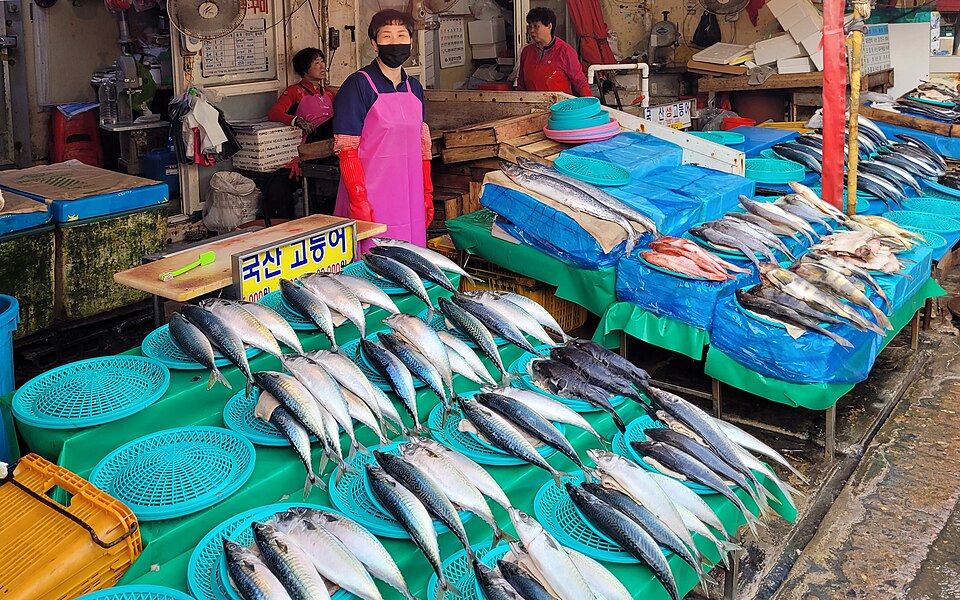
For a first visit, a medium flatfish served as hoe is the classic choice, and local guides suggest it scales well for two or three people. Ask for the leftover fish bones and head to be turned into maeuntang, which is a common way to finish the meal. Shellfish, grilled mackerel and abalone are also popular, and some guides recommend trying a single grilled scallop from an outdoor vendor as a quick bite before the sit-down meal. One local guide estimates a buy-and-cook meal for two at around 50,000 to 80,000 KRW, but prices change with the season and the fish, so confirm the weight and price on the spot.
How to get to Jagalchi Market
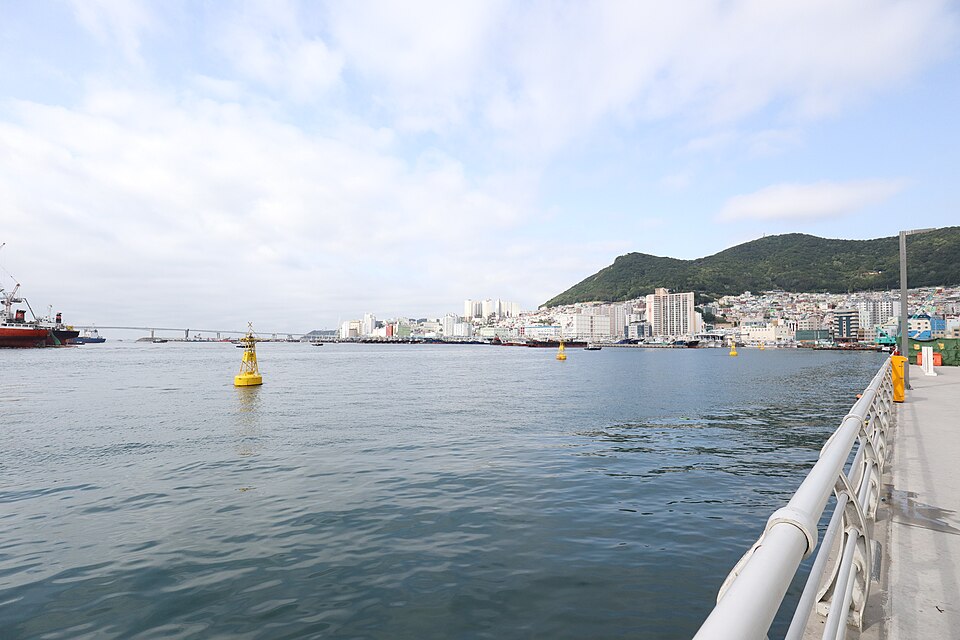
Take Busan Metro Line 1 to Jagalchi Station. Walking directions from Creatrip start at Exit 10 and continue toward the market streets, and Nampo Station (also Line 1) is a short walk away. The market sits on the waterfront in Jung-gu, so you can combine it with a stroll along the harbor before or after your meal.
Jagalchi Market FAQ
Is Jagalchi Market open every day?
Most sources say it operates daily, but two Busan food-market guides list closures on the first and third Tuesday of each month. Check the official market page or Google Maps for the current schedule before you plan a Tuesday visit.
Do I need to speak Korean?
No. Pointing, a calculator or phone screen to confirm prices, and a few phrases such as “Eolma-eyo?” (How much?) and “Yori-bi eolma-eyo?” (How much is the cooking fee?) are enough for most visitors.
How is it different from Noryangjin Fish Market in Seoul?
The buy-then-cook concept is similar, but Jagalchi is on the Busan waterfront and is often described as Korea’s largest seafood market, while Noryangjin is Seoul’s main wholesale market. If you are in Seoul, our Noryangjin guide below covers the same idea.
Practical tips
Confirm the price and cooking fee before you commit, and watch the weighing and bagging step. Compare two or three stalls instead of buying at the first one. Cards and mobile payments are widely accepted these days, but carrying a little cash is still handy for outdoor snack vendors. Wear shoes that can handle wet floors, and check current hours since individual stalls and restaurants set their own schedules.
Jagalchi Market is less a single restaurant than a whole system, and once you know the ground-floor-to-second-floor routine it becomes one of the most memorable meals in Busan. Start with a mid-size fish, ask about the fee, and finish with a hot stew.
Keep exploring: 3 Busan K-Drama Filming Villages, Noryangjin Fish Market in Seoul and What to Eat in Gyeongju. Learn more about this blog on the About page.
Source: VisitKorea: Jagalchi Market


Leave a Reply