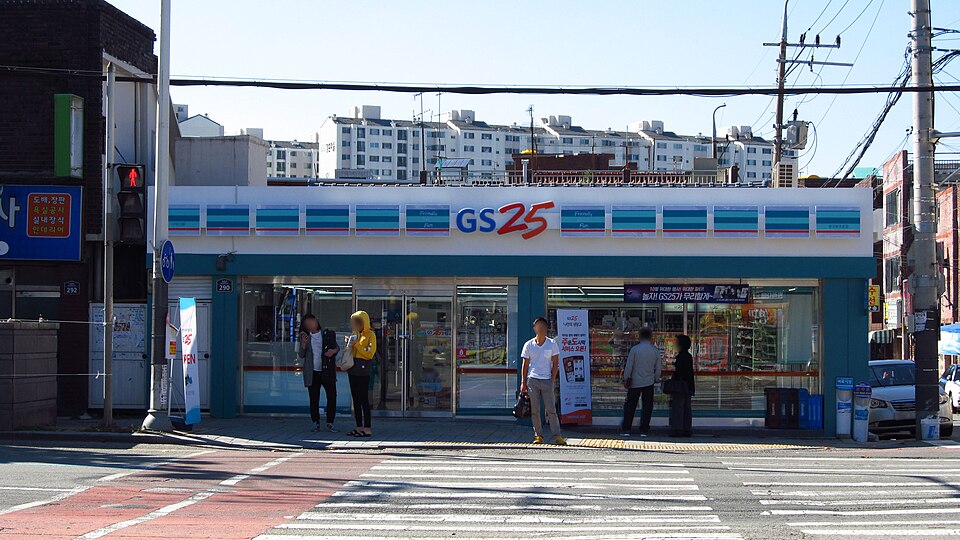
A Korean convenience store is where many Koreans eat at least one meal a week, and it is not a snack stop. Triangle gimbap, a boxed lunch and a cup of ramyeon with a free hot-water tap can add up to a full meal for roughly 5,000 to 6,000 won. This guide covers what locals actually pick up, what it costs in late 2026, and how the Han River park stores turn instant noodles into a proper riverside meal.
Updated Nov 17, 2026. Prices below come from CU list prices (October 2026), Come on Korea (June 2026), HallyuMate (September 2026) and a Naver blog post from a CU in Yeouido Hangang Park (September 28, 2026). Info last checked: Nov 17, 2026. Prices change by branch and promotion, so check the shelf tag.
Jay’s take: the store as a place to hide from the rain
- What Koreans buy most often: soda, cup ramyeon and triangle gimbap.
- What I recommend to foreign friends: a dosirak (boxed lunch) and frozen dakgangjeong (sweet and crunchy fried chicken).
A memory from Jay: as a student, on days when it poured and he had no umbrella, he would duck into a convenience store, eat cup ramyeon while looking out the window, and wait there until the rain stopped. He still thinks it was the best place to shelter from the rain.
That memory explains the layout of many stores. There is usually a counter with a hot-water dispenser, a microwave, and a few stools or a bar facing the window. The store is built to let you eat on the spot.
What it costs: the basic shopping list
| Item | Korean | Typical price | Notes |
|---|---|---|---|
| Tuna-mayo triangle gimbap | 참치마요 삼각김밥 | about 1,200 won | CU list price, Oct 2026. Basic ones run 1,200 to 2,000 won. |
| Big triangle gimbap | 빅삼각김밥 | 1,700 to 1,900 won | Bigger rice ball, the format Koreans now favor (see below). |
| Egg sandwich | 계란샌드 | 2,800 won | CU, Oct 2026. |
| Bulgogi egg muffin | 불고기 에그머핀 | 3,000 won | Heat it in the microwave. |
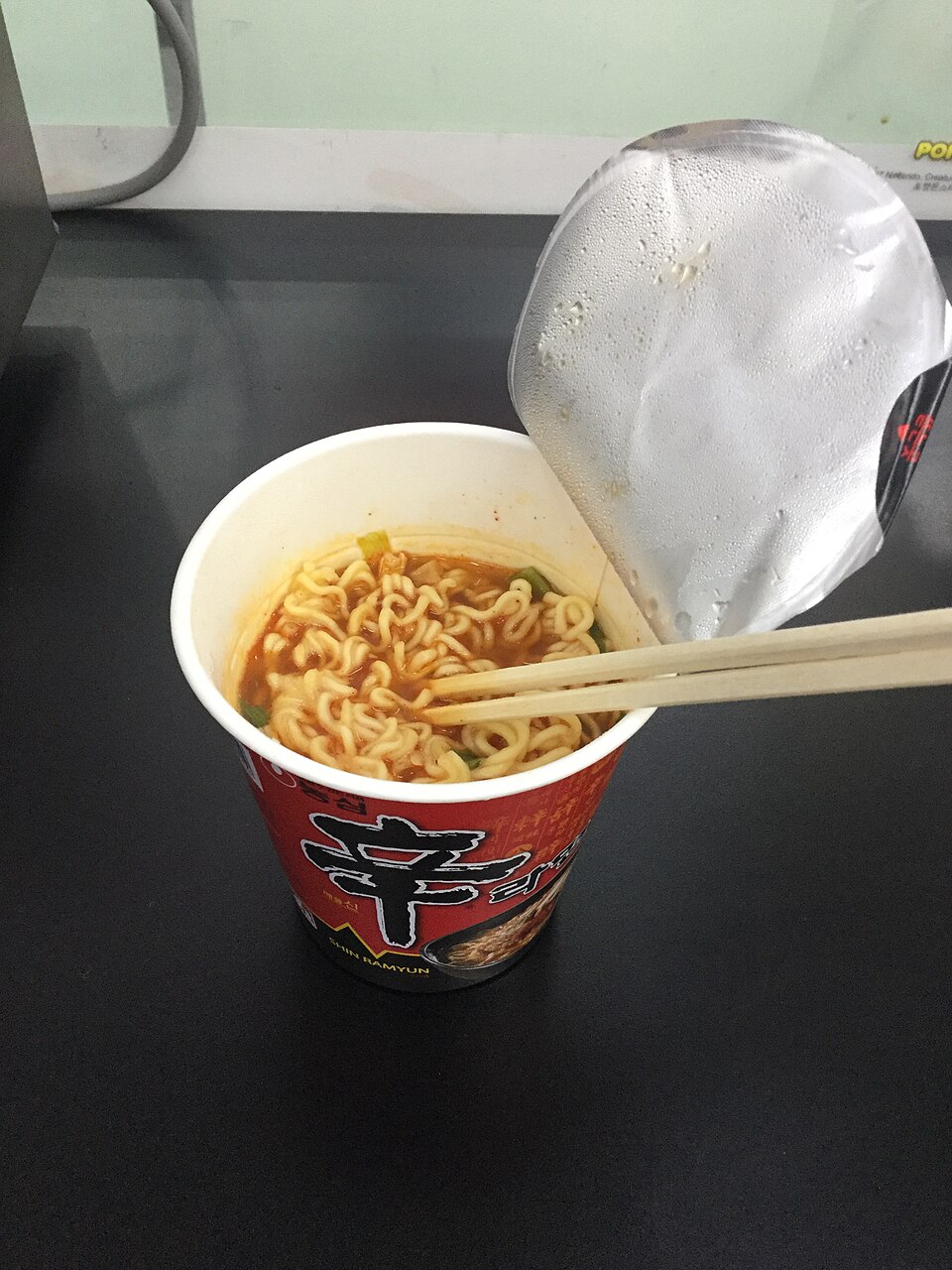
| Cup ramyeon | 컵라면 | 1,200 to 2,500 won | Come on Korea, June 2026. Hot water is free. |
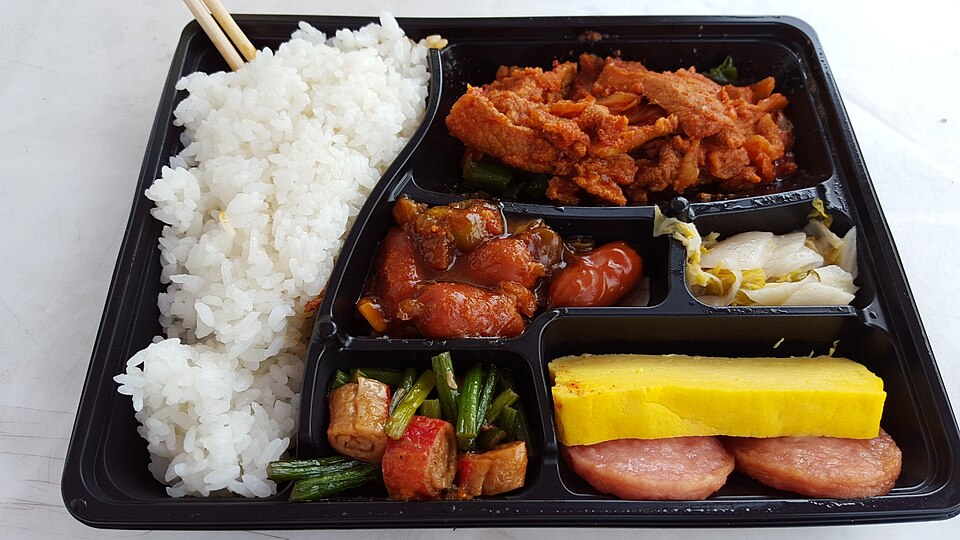
| Dosirak (boxed lunch) | 도시락 | mostly 5,200 to 5,900 won | CU range is 2,400 to 7,900 won. GS25 Kim Hye-ja boxes cost 4,500 to 5,500 won per HallyuMate. |
| Banana milk, 240 ml | 바나나맛우유 | 1,800 won | CU, Oct 2026. |
Two small habits save money. Look for the “1+1” and “2+1” stickers, which give a free second or third item. And pay with a foreign Visa or Mastercard, cash or a T-money card, which Come on Korea lists as accepted at the main chains.
How to open a triangle gimbap without ruining it
The seaweed in a triangle gimbap is kept apart from the rice by a plastic film so that it stays crisp. The wrapper is numbered, and the order matters, according to Seoul Tourism Organization and Come on Korea.
- Pull tab 1 at the top point straight down the back. This splits the film in half.
- Pull corner 2 on one side. This slides half of the film away.
- Pull corner 3 on the other side. The seaweed now wraps the rice.
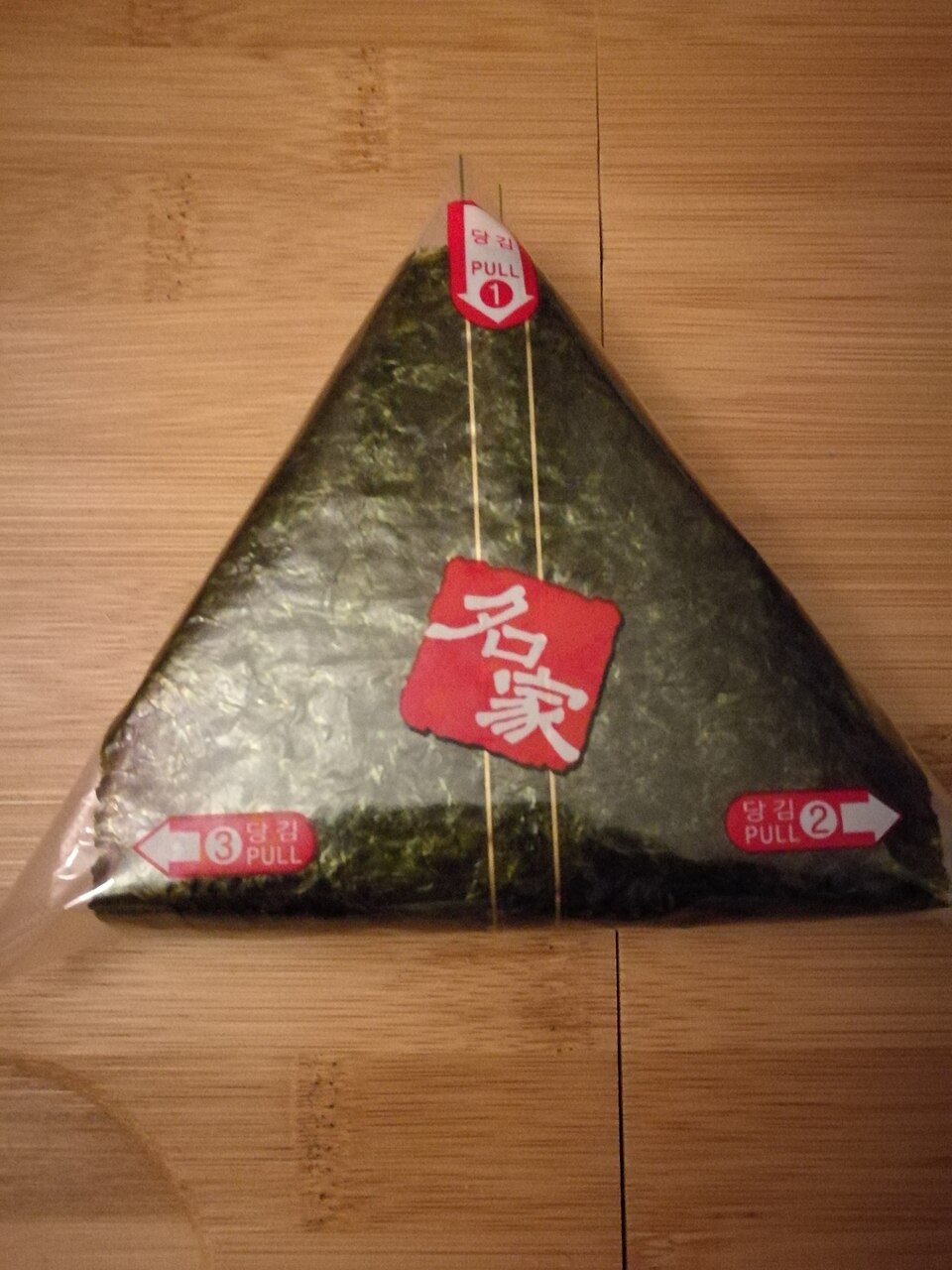
If you want a safe first pick, take tuna mayo (참치마요). Come on Korea describes it as the most basic and popular flavor and not spicy. Jeonju bibim (전주비빔) is the mildly spicy gochujang one, and buldak mayo (불닭마요) is the hot one.
What Korean shoppers are buying right now
Korean business coverage shows a shift in what people choose. On Sept 27, 2026, the Korean outlet ETNews reported that at CU, “big” triangle gimbap passed 50% of all triangle gimbap sales for the first time in January to August 2026, and six of the top 10 sellers were big ones. The same article says CU launched triple-flavor packs priced 300 won below buying the three separately, and a double pack 200 won below. In other words, shoppers want more food for the same money, and the shelves are following.
The same trend shows up in lunch boxes. HallyuMate reports that GS25 rebuilt its Kim Hye-ja dosirak line in September 2026, with toppings such as grilled pork neck or a mini fried egg on the rice and a separate seaweed pack. If you read an older guide that describes the boxes, the current ones will look different.
The Han River ramyeon ritual
Most guides skip the best use of a Korean convenience store. At the Han River parks, the stores in Yeouido, Banpo, Ttukseom and others have outdoor cookers that boil the ramyeon for you. You buy a pack and a special paper bowl inside, put the noodles and soup powder in the bowl, put the bowl on the cooker, choose the type, and the machine adds the water. Guides describe about 3.5 to 4 minutes.
- Put the noodles in first and the powder on top. If the powder sits at the bottom it can burn through the bowl, according to LocalsKorea.
- Press 일반라면 (regular) for broth styles like Shin Ramyun, or 볶음라면 (stir-fried) for Buldak and Jjapaghetti. A 굵은라면 (thick) option exists on some machines.
- Do not add your own water. The machine measures it.
- If you want an egg, put it in when one minute is left, and stir.
The map shows CU Hangang Yeouido 1 (영등포구 여의동 86-5). Google lists it as open 24 hours. It is one of several CU stores in the park, and a Naver blogger who visited the nearby Yeouido 3 branch in September 2026 said the main store area gets long lines at the cookers, while the pier-side stores were calmer.
| What you buy | Price | Source |
|---|---|---|
| Ramyeon pack (Jin, Jjaguleong, Sesame and others) | 2,000 to 2,500 won | Naver blog, CU Hangang Yeouido 3, Sept 28, 2026 |
| Cooking bowl | 2,000 won | same |
| Egg | 1,000 won | same |
| Total with egg | about 5,000 to 5,500 won | calculated from the prices above |
| Ramyeon at the Ttukseom 7-Eleven, bowl included | 4,000 to 4,900 won | Naver blog, Oct 1, 2026 |
The Yeouido blogger notes it is about 700 to 1,000 won more than a regular store, and the bowl makes it more expensive again. They still said the river view is the reason to pay. Another blogger found that the GS25 in Ttukseom was closed late at night while the 7-Eleven nearby was open after midnight, so check hours before you plan a late visit.
Korean phrases for the store
| Say or read | Meaning | When to use it |
|---|---|---|
| 이거 데워 주세요 (igeo dewo juseyo) | Please heat this up | At the counter, if you want the staff to use the microwave. Many stores have a self-service one too. |
| 봉투 주세요 (bongtu juseyo) | A bag, please | Plastic bags are charged, so ask for one only if you need it. |
| 젓가락 하나 더 주세요 | One more pair of chopsticks, please | For two people sharing. At the Han River, extra chopsticks were 100 won each in the blog above. |
| 컵라면 물 어디서 받아요? | Where do I get the hot water? | The hot-water tap is usually near the counter. |
Which stop for which hunger
- Fast breakfast: tuna-mayo triangle gimbap plus banana milk, about 3,000 won on CU list prices.
- A real lunch: a dosirak, microwaved at the store, around 5,000 to 6,000 won.
- A rainy day or a late-night stop: cup ramyeon at the window bar, which is also Jay’s pick for waiting out rain.
- An evening with a view: Han River ramyeon with an egg, about 5,000 to 5,500 won with the bowl.
- Something extra: frozen dakgangjeong from the freezer case, which Jay recommends to foreign friends.
Practical notes
Labels are mostly in Korean and pork is common in prepared food, so Come on Korea suggests using a translation app on the ingredient list. Hot-water taps and microwaves are free, and most large stores let you eat at an in-store table. Throw trash in the sorted bins instead of leaving it on the table.
Keep exploring: if you like cheap and quick Korean food, see our guides to winter street snacks and what they cost, how to order Korean fried chicken, and the soup Koreans eat the morning after. You can also read about SeoulBites.
Sources: Seoul Tourism Organization, Korean Convenience Store Food; Come on Korea; ETNews, Sept 27, 2026 (Korean).


Leave a Reply