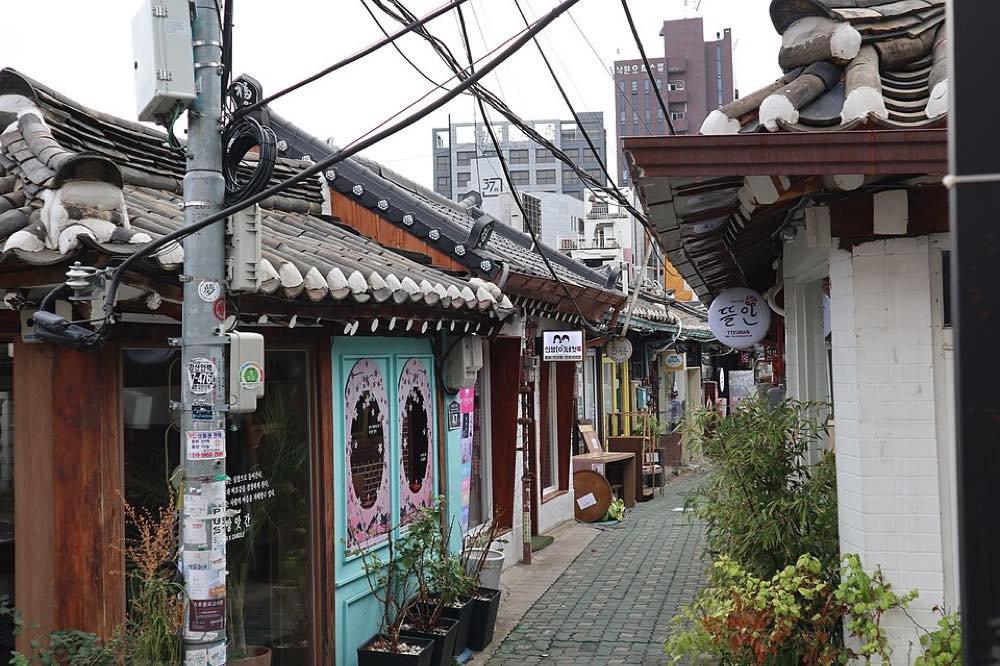
If you are looking for the best hanok cafes in Ikseon-dong, Seoul, the good news is that this tiny maze of 1920s alleys packs more than 50 cafes, restaurants and bars into a few blocks. It sits just a couple of minutes from Jongno 3-ga Station, so it is one of the easiest food neighborhoods to add to a sightseeing day. This guide covers what is worth ordering, how to avoid the worst crowds, and how to find your way around without getting lost.
Cheongsudang: the hanok cafe with the stone-dripper coffee
Cheongsudang (청수당) is the cafe most visitors come for. Follow a small pond with stepping stones, tall bamboo and round yellow lanterns and you reach a hanok built around an Asian-garden concept. Korea Tourism Organization highlights its stone pour-over coffee, made with stone drippers, and its castella and fromage cakes baked in square pottery. The address is 31-9 Donhwamun-ro 11na-gil, Jongno-gu. Opening hours differ by source and by day, so check Google Maps before you go. Take your shoes off if you want the tatami seating with a view of the inner garden.
Mil Toasthouse: soufflé French toast worth the line
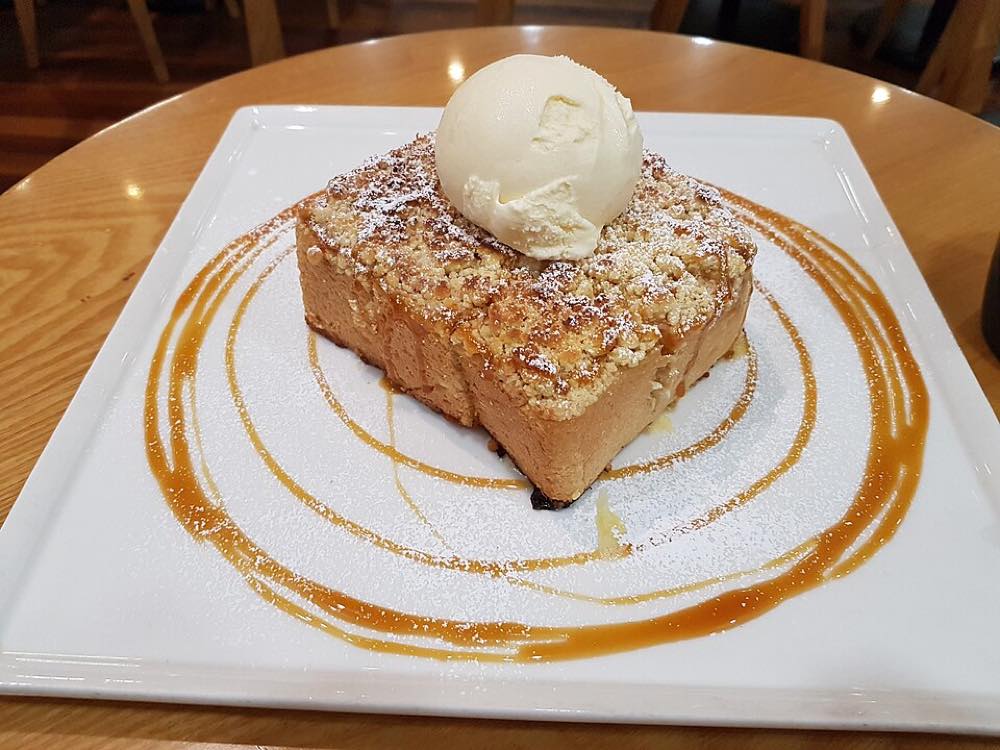
Mil (밀) means wheat, and this toast house at 30-3 Supyo-ro 28-gil is known for soufflé French toast and thick butter-heavy slices. It is regularly described as one of the neighborhood’s longest queues, so arrive near the 9 a.m. opening or on a weekday afternoon. Order the signature toast and one drink to share.
Salt bread and other bakery snacks
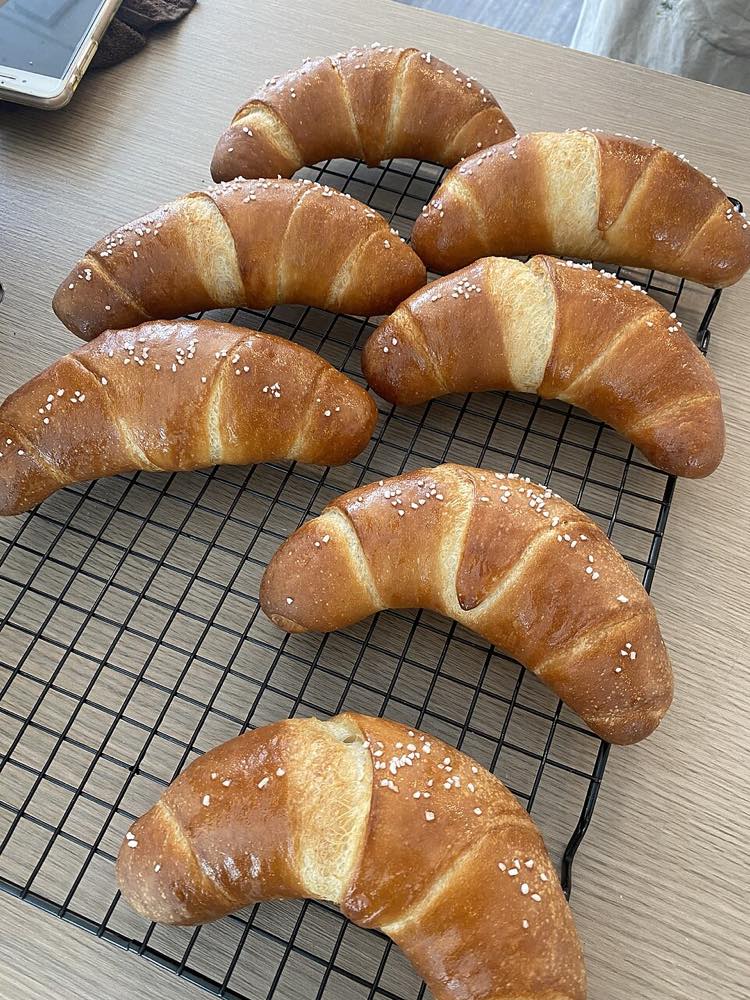
Salt bread (소금빵), a soft buttery roll with a crisp salty base, is the neighborhood’s signature street snack, and several bakeries sell it within a few alleys of each other. Pair a roll with a coffee at one of the hanok cafes, or grab one to eat while you wander. Cafe Highwaist, Seoul Coffee and Rain Report Rainbow are all listed by Visit Seoul within about 70 meters of the village center if you want a dessert stop.
Evenings: red-tent pojangmacha and lantern-lit alleys
After dark the center of Ikseon-dong quiets down while its edges come alive. Visit Seoul notes that red-tent pojangmacha serve street food and drinks along the edge of the neighborhood near Jongno 3-ga Station Exits 3 and 6, a tradition that has become rare in Seoul. Winter nights and lantern-lit alleys are especially atmospheric.
How to get to Ikseon-dong
Take Subway Lines 1, 3 or 5 to Jongno 3-ga Station. Visit Seoul lists Exit 4 at about 123 meters from the village, and Korea Tourism Organization describes a walk of roughly two minutes from Exit 6. Anguk Station on Line 3 is another option, and Insadong and Jongmyo Shrine are both within about a ten-minute walk.
Ikseon-dong FAQ
How long do I need in Ikseon-dong?
The area is small enough to walk in about ten minutes, but plan one to two hours for one cafe stop and some wandering. Add another hour for a meal.
When is the best time to visit?
Weekday mornings and mid-afternoons are calmer. Weekend afternoons are the busiest, so go early if you want a cafe seat without a long wait.
Is it only for cafes?
No. You will also find Korean restaurants, small bars and craft shops in restored hanok, so it works for a full half-day.
Practical tips: check each cafe’s current hours on Google Maps, expect a queue at popular spots on weekends, and order a drink or dessert rather than just taking photos. People live in these alleys, so keep your voice down and stay out of private courtyards.
Ikseon-dong is one of the simplest ways to taste modern Seoul inside a century-old hanok neighborhood. Pick one cafe, one snack and an unhurried walk, and let the alleys do the rest.


댓글 남기기