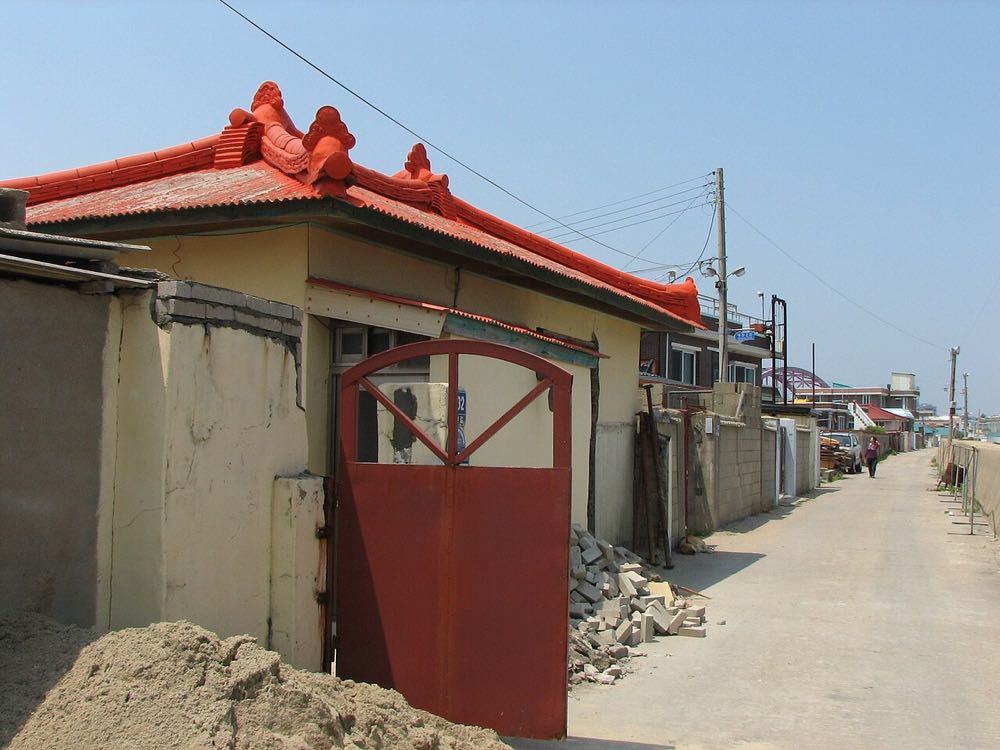
Cross a hand-pulled ferry in Sokcho and you land in Abai Village, the real North Korean refugee neighborhood that became world-famous as a filming location for the 2000 KBS drama Autumn in My Heart. Long before Hallyu had a name, Song Hye-kyo and Song Seung-heon crossed paths on this same gaetbae ferry, and the mom-and-pop store used as Eun-suh’s house still stands today. But most visitors come for something else entirely: squid sundae, a dish you genuinely cannot find anywhere else in Korea. This guide covers the real filming spots, where to eat like a local in the village, and where to go next at Sokcho’s famous market and port.
The Real Autumn in My Heart Filming Location
Abai Village sits across Cheongchoho Lake from downtown Sokcho, and the only way in (besides driving around) is the gaetbae, a small wooden ferry that passengers pull across the water by hand using a metal hook on a fixed cable. It costs about 500 won one way. When KBS’s Autumn in My Heart aired in 2000, this exact ferry crossing became one of Korean television’s most iconic scenes, with Song Hye-kyo’s character crossing on one boat as Song Seung-heon’s character passed on another. The mom-and-pop store used as her family’s home in the drama is still standing in the village today, and small signboards throughout the neighborhood mark other filming spots. The village itself predates the drama by decades: it was settled by refugees from Hamgyeong-do province in North Korea who fled south during the Korean War and never made it back home, which is also why the food here tastes nothing like typical South Korean cuisine.
What to Eat in Abai Village: Squid Sundae at Dancheon Restaurant
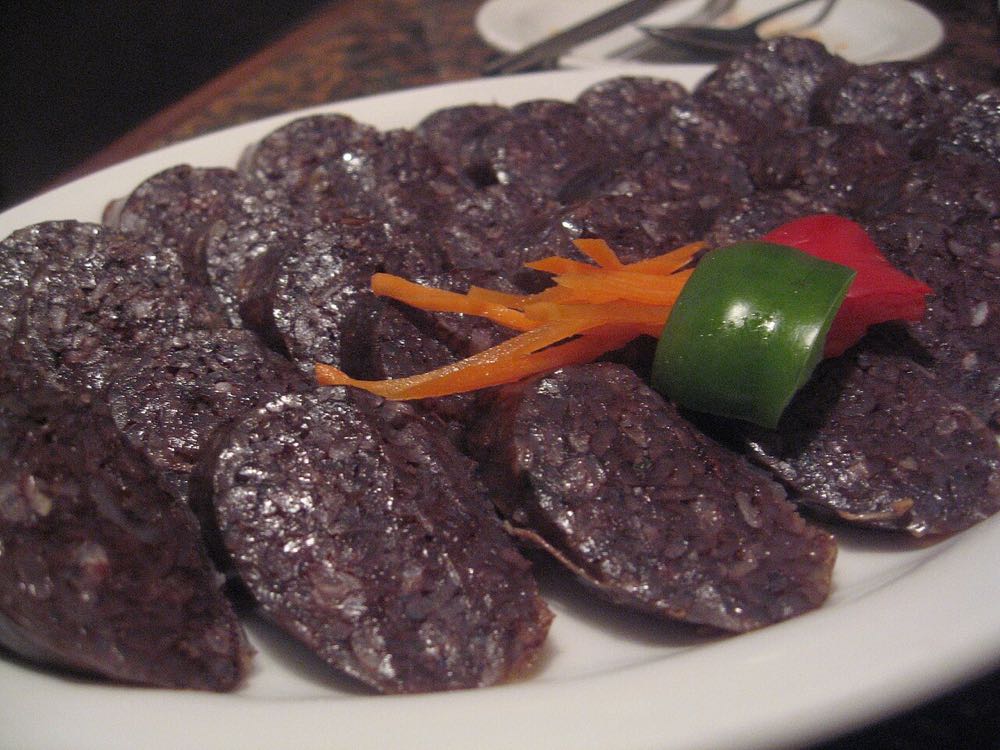
Abai Village has its own food culture, brought south by the Hamgyeong-do refugees who settled here, and none of it looks like typical Korean cooking. The signature dish is squid sundae (ojingeo sundae), where a whole squid is stuffed with rice, vegetables, and minced meat, then steamed and pan-fried, alongside the more traditional abai sundae, a pork-blood sausage. Dancheon Restaurant, at 17 Abai Village-gil, is widely regarded as the village’s representative restaurant, serving squid sundae, sundae soup, and pollock-broth cold noodles from 8:30am to 7pm daily. Order the assorted sundae plate if you want to try everything at once, and follow local habit by wrapping a slice in a perilla leaf before eating. Sindasin, a short walk away, is another well-reviewed option locals favor for gari-gukbap, a beef-and-rice soup that pairs well with the sundae.
Sokcho Tourist & Fishery Market: Dakgangjeong Alley
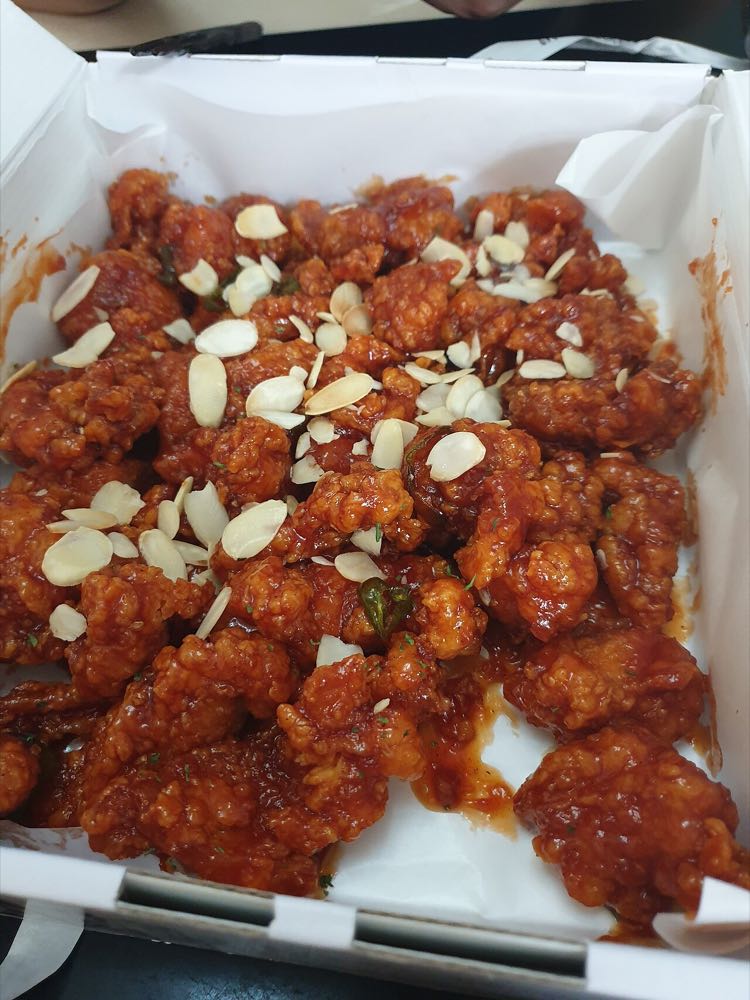
Back on the mainland side, Sokcho Tourist & Fishery Market (formerly Jungang Market) is the city’s main food hub, and the smell that hits you first is usually dakgangjeong, Sokcho’s version of sweet-and-spicy glazed fried chicken. The market has an entire alley of competing dakgangjeong stalls, including well-known names like Manseok Dakgangjeong and Jungang Dakgangjeong, each frying and glazing in full view so you can compare before buying. Beyond chicken, the market sells fresh and dried seafood, red crab lunchboxes, hotteok, and squid, and it works well as either a first-night dinner after arriving by bus or a rainy-day grazing stop. It opens around 8am and stays busy well into the evening.
Daepo Port: A Bigger Seafood Dinner
If the market’s fried chicken and street snacks are not enough, Daepo Port is Sokcho’s working harbor, lined with seafood restaurants and live-tank stalls selling crab, squid, shellfish, and whatever came in on the morning boats. It has a rougher, more local feel than the tourist market, and it is the better choice if you want a proper seated seafood dinner rather than market grazing. Pick a live catch at one of the harborside tanks and most restaurants will prepare it for you on the spot, or simply walk the row of restaurants and pick whichever has the busiest crowd of locals, always a reliable sign in a port town.
Frequently Asked Questions
How do I get to Abai Village from downtown Sokcho?
The gaetbae ferry dock is a short walk from Sokcho Tourist & Fishery Market, on the Jungang-dong side of Cheongchoho Lake. Cross by ferry for about 500 won, or drive around via the Geumgang Bridge if you would rather skip the boat.
Is squid sundae spicy or hard to eat for first-timers?
Not particularly. Squid sundae is savory rather than spicy, closer to a stuffed dumpling than a strong-tasting offal dish, since it is mostly rice, vegetables, and minced meat inside the squid. Abai sundae, the pork-blood version, has a more distinct flavor but is still mild by Korean standards.
How do I get to Sokcho from Seoul?
Intercity buses run from Seoul Express Bus Terminal and Dong Seoul Bus Terminal to Sokcho, taking around 2 to 2.5 hours depending on traffic. There is no direct train line to Sokcho yet, so bus remains the standard option for most visitors.
Can I see Autumn in My Heart filming spots without watching the drama?
Yes. Abai Village is worth visiting on its own for the ferry crossing, the murals, and the food, even if you have never seen the drama. Small signboards around the village mark the specific filming spots for anyone curious, but they are not necessary to enjoy the walk.
Abai Village and the rest of Sokcho reward exactly the kind of trip most K-drama fans already want to take: a real ferry crossing that inspired one of Korea’s most famous romantic scenes, a food culture found nowhere else in the country, and a proper seafood town to explore once you are done with the village. Give yourself a full day if you want to cover the village, the market, and Daepo Port without rushing, and come hungry.
Learn more about SeoulBites and our food guides.
See the official Korea Tourism Organization page for Abai Village.


댓글 남기기